Today marks the end of a week-long celebration of Canada’s Indigenous heritage (May 23 to May 26 ), an opportunity to learn about Indigenous history, traditions, contributions, challenges, and rights.

Indigenous peoples and communities
Today, the descendants of the original people of North America are well over 1.8 million strong.
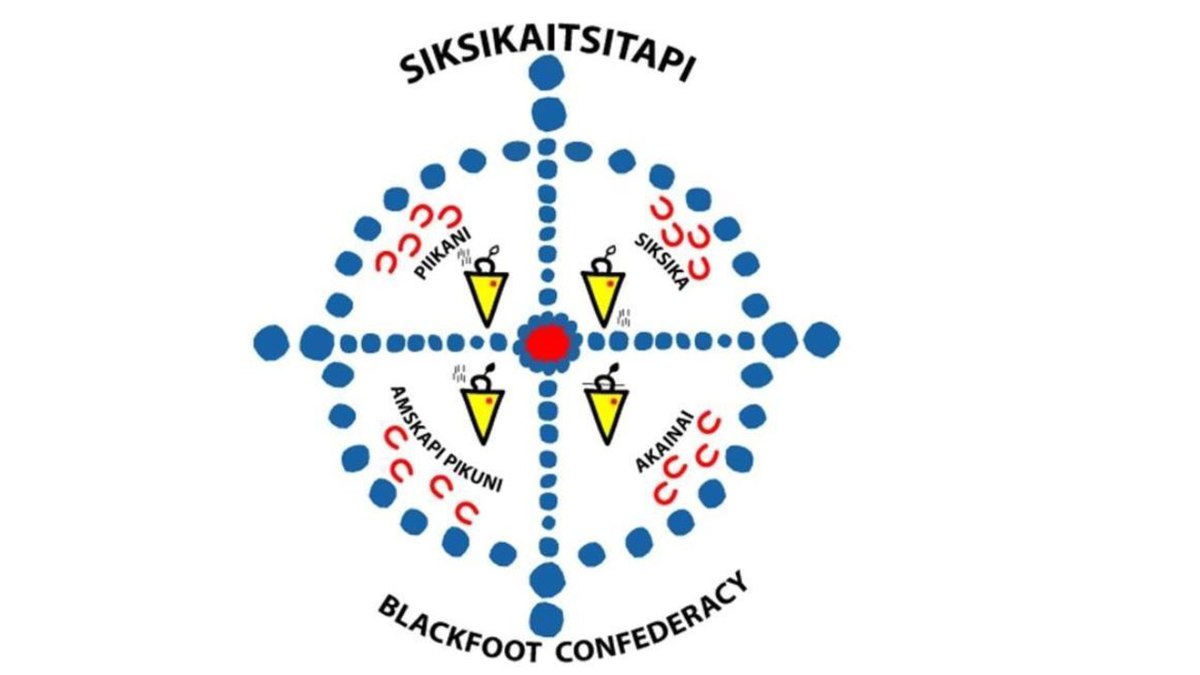
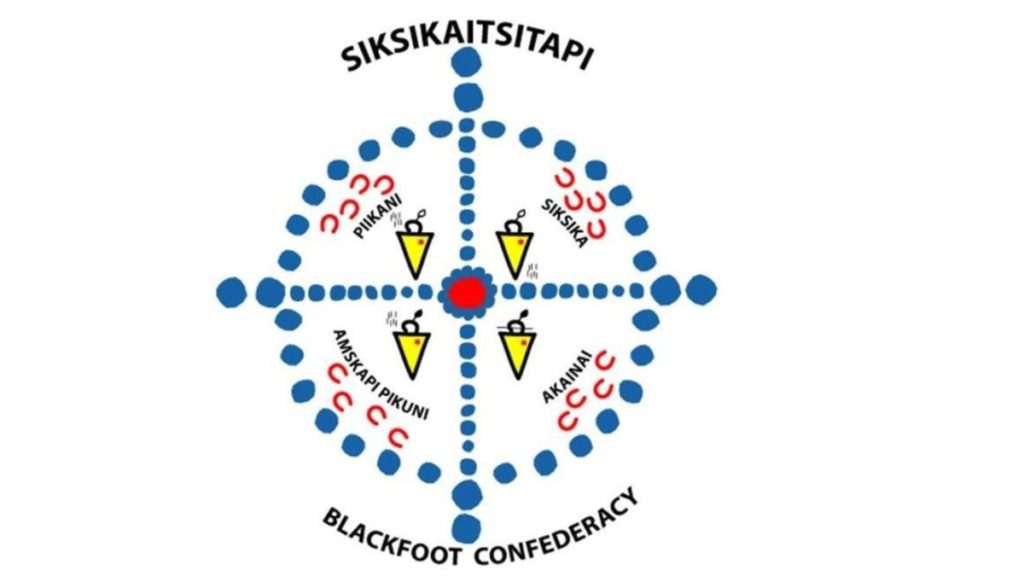
Indigenous peoples and communities in Canada are made of First Nations, Inuit and Métis. There are close to 630 First Nation communities in Canada, which represent more than 50 Nations and 50 Indigenous languages with distinct cultures, histories, and territories. Métis and Inuit peoples also have unique cultural identities and distinct origins, heritage, cultural practices and traditions.

Since the beginning the 19th century, indigenous people have faced forced assimilation into European-based societies and cultural genocide, land dispossession, treaty violations, discriminatory legislation and policies. As a result, they have been fighting for their rights and various issues.
- Self-determination and governance
- Recognition and protection of their traditional lands, territories, and resources
- Preservation and revitalization of their unique languages, cultural practices, knowledge systems, and traditional ways of life
- Respect of treaty rights
- Social and economic justice
- Sustainable and respectful environmental practices and climate justice
Though not uniform, some progress have been made. These include:
- The recognition of indigenous treaty rights in Section 35 of the Constitution Act of 1982
- Several land claims and self-government agreements with the Canadian government
- Establishement of the Truth and Reconciliation Commission (TRC)
- Several Indigenous Language Revitalization program
- Increased representation and leadership within various sectors, including politics (municipal, provincial, and federal ), academia, arts, and media
- Establishment of several national Indigenous organization, such as the Assembly of First Nations (AFN), Inuit Tapiriit Kanatami (ITK), and the Métis National Council (MNC)
- Recognition and celebration of indigenous culture, traditions, and contributions like National Indigenous History Month in June and National Indigenous Peoples Day on June 21st
While these achievements represent progress, it is important to acknowledge that significant challenges and disparities persist for indigenous peoples in Canada. By commiting to ongoing learning, understanding, and showing suport for indigenous people and their communities with respect, humility, and a willingness to listen and learn, you actively PARTICIPATE in the restorative justice process.
Find this useful or insightful? Share it with your friends, family, and colleagues! It’s free and helps others know about us.