Login
Signup
Marginalization
- Home - News and Stories -
- Marginalization
Marginalization
Hello,
From the beginning, we have been committed to address marginalization because we want to see a world of truly equal opportunities for all people. But what is marginalization?
This concept appeared in the 1970s during the American social revolution to describe all the groups fighting for greater representation and rights. Those described as being marginalized are excluded or prevented from full participation in the society in which they live. Disability (physical or mental), income level, political affiliation, geographic location, religion, ethnicity are all factors that can contribute to the marginalization of a person or a group.
The process of marginalization can be active, meaning that people are purposely denied participation in a society or group; for example, when someone is not invited to an office party because they belong to a different ethnic group or religion. But often than not, marginalization happens passively due to inherent individual and societal differences.
Marginalized people are everywhere, from cities to villages, in every society and culture. Some are clearly identified and labelled, and some are not. Hence, not all marginalized groups are equal: some are well served by many agencies and groups while others are not.
Unfortunately, being seen as belonging to a marginalized group comes with challenges such as scrutiny, stigma and other negative stereotyping adding to the difficulties. Some marginalized groups may be seen as “lazy” for not doing better despite societal investments, while others as the “good ones” for seemingly adapting readily into the mainstream.
Addressing marginalization is complex. Though it cannot be eradicated overnight, we must strive to build a society where everyone is welcomed and has access to the same opportunities.
It will take commitments from all levels of society.
How can you do your part in building bridges?
- Be the one rooting for the underdog. Whether at work or your kid’s school, you can make a difference.
- Differences are part of the beauty of our society. Celebrate diversity and find shared experiences.
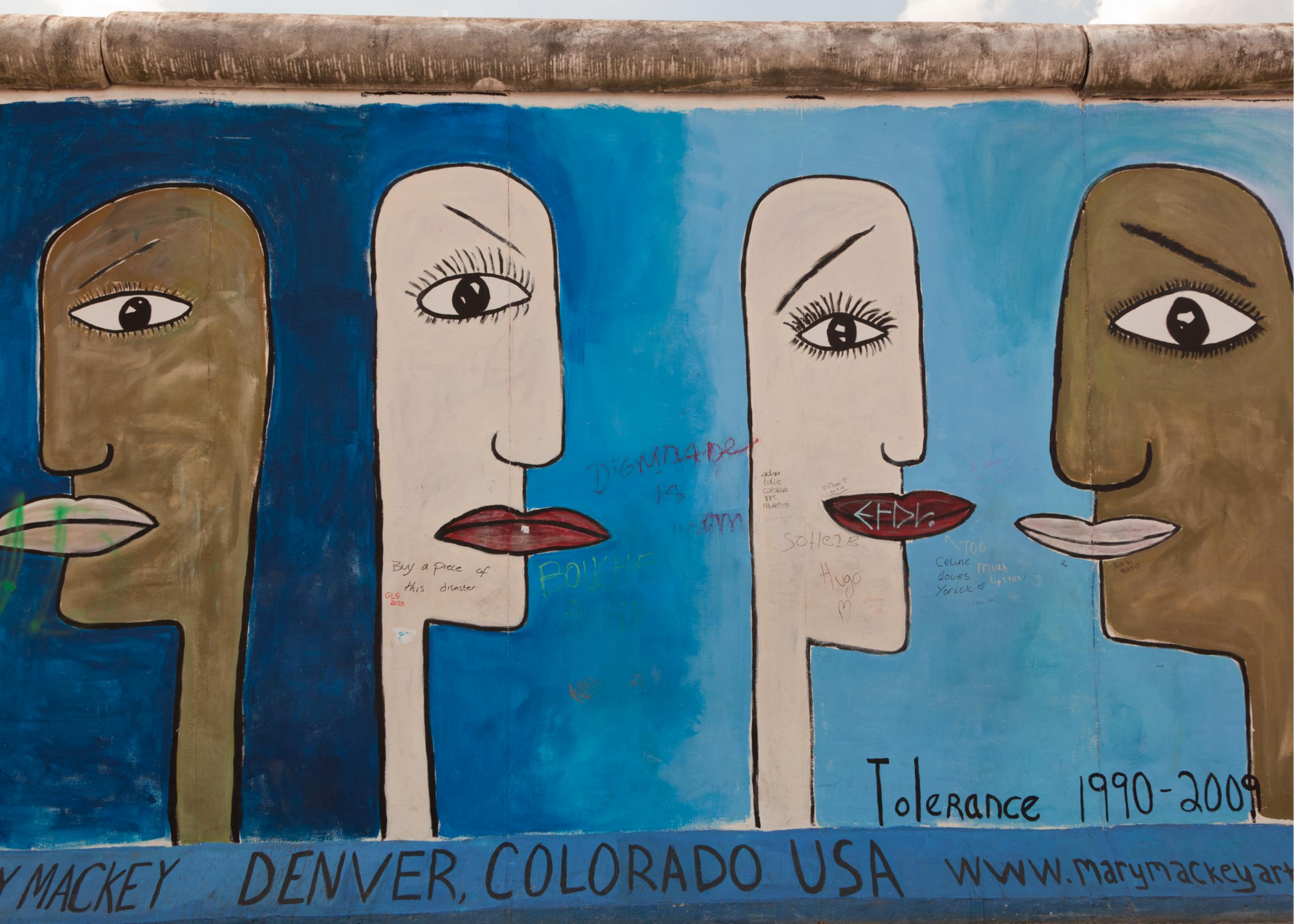
- Take the walls apart. Regardless of which side of the fence you find yourself, let’s demolish the barriers that separate us.
- Don’t take the path of least resistance. Seek to be challenged and surrounds yourself with people who don’t think like you.
- Fact-check your motives, choices and actions. Don’t let prejudice taint your judgement when it comes to dealing with people who are different.
Are we not all humans woven together in a multi-coloured and beautiful tapestry?
Stay well and stay healthy,
Camilia Thieba, MSc
CEO & Founder
Hakili Community for Sustainable Development
Building Stronger Families and Communities
www.hakiliworld.org | 587-997-4786